Quick answer: Minnesota's freeze-thaw cycles can push foundations laterally and cause horizontal cracks — which are serious. Vertical hairline cracks are usually just concrete curing and rarely structural. The difference between "monitor it" and "fix it now" comes down to crack orientation, width, and whether it's growing.
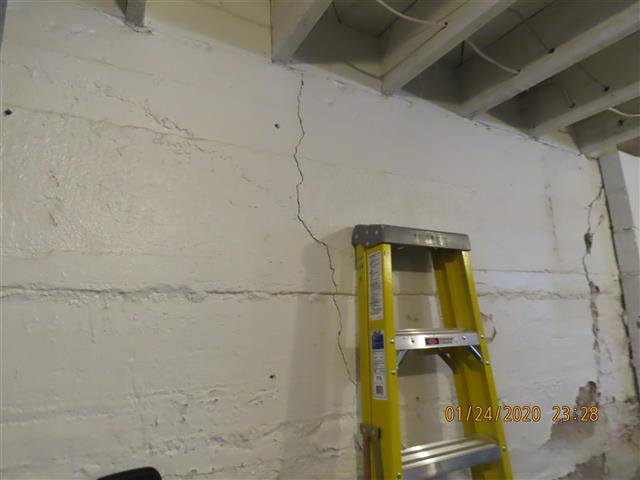
What the freeze-thaw cycle does to a foundation
Minnesota soil freezes every winter. In Mower County, the frost line reaches 42-48 inches deep. As water in the soil freezes, it expands by about 9% and pushes outward in every direction — including against the walls of your foundation.
When a foundation was built correctly (proper drainage, adequate footing depth, rebar reinforcement, waterproofing), this seasonal pressure is absorbed without damage. When it wasn't — and most pre-1990 Minnesota foundations weren't — the freeze-thaw cycle gradually pushes the foundation walls, causing cracks, bowing, and sometimes shearing.
The worst damage happens over many winters: wet year + cold snap + poor drainage = cumulative stress that eventually finds the weakest point.
Types of foundation cracks and what they mean
- Hairline vertical cracks (≤ 1/8" wide) — usually concrete shrinkage from curing. Cosmetic. Monitor but don't panic.
- Vertical cracks wider than 1/8" — often settlement. Usually not structural but should be sealed and monitored.
- Diagonal cracks radiating from corners of windows/doors — almost always differential settlement. May need underpinning.
- Stair-step cracks in block foundations — classic sign of lateral pressure or settlement. Common and often repairable with carbon fiber straps or push piers.
- Horizontal cracks running the length of a wall — the most serious. Indicates lateral soil pressure has exceeded the wall's strength. The wall is failing and needs immediate attention.
- Bowed or tilted walls — even without visible cracks, a wall that's moved inward more than 1 inch needs engineering review.
What a home inspector checks during Minnesota home inspections
- Crack width measured with a crack gauge (1/16", 1/8", 1/4", etc.)
- Crack orientation (vertical, horizontal, diagonal, stair-step)
- Whether cracks are active (ask about recent growth) or stable
- Wall plumb — is the wall still vertical or bowing inward?
- Efflorescence (white mineral deposits) indicating water intrusion
- Grading around the house — does water drain away or toward the foundation?
- Downspout extensions — are they discharging 4+ feet from the foundation?
- Sump pump condition and discharge location
- Interior signs of past water intrusion (stains, moldy drywall, rust on basement framing)
How to prevent freeze-thaw foundation damage
The single biggest preventive measure is water management. Freeze-thaw damage happens when water saturates the soil around the foundation and freezes. Keep the soil dry and you reduce the freezing water volume that can push on the wall.
- Grade soil away from the house — minimum 6" drop in the first 10 feet.
- Extend downspouts 4+ feet from the foundation.
- Maintain gutters — clogs cause overflow that saturates the soil right against the wall.
- Check sump pump in October — test it, replace if over 7 years old.
- Seal visible cracks each spring with a polyurethane or epoxy crack injection.
- Install exterior drain tile if basement moisture is persistent. Expensive but permanent.
When to worry vs when to monitor
Call an inspector or structural engineer immediately if:
- Any horizontal crack appears
- A wall has bowed inward more than 1 inch
- A vertical crack has widened noticeably since last year
- You see water actively coming through a crack
- Doors or windows above the crack have started sticking
- Diagonal cracks are radiating from corners
You can safely monitor if:
- Hairline vertical cracks ≤ 1/8" that haven't changed in years
- Minor cosmetic cracks with no moisture
- Small cracks sealed and being monitored with a marked reference point
Schedule Your Inspection
InterNACHI Master Certified. Same-day reports. 90-day buy-back guarantee.
📞 507-721-3771Related: Foundation Walls Piers • Moisture Intrusion • Blog/Foundation Cracks When To Worry