Quick answer: The best time for a Minnesota home inspection is whenever your purchase agreement requires it. But each season has tradeoffs. Spring reveals water damage from winter. Summer shows the roof and exterior best. Fall catches HVAC problems before they matter. Winter hides the yard but reveals ice dams and heating performance in real conditions. A certified inspector can work in any season — just know what each one can and can't show you.
Spring inspection (March–May)
Best for: Revealing water intrusion from winter snowmelt, catching ice dam damage, testing whether the sump pump has been working hard.
Harder to inspect: Yard, septic, deck surfaces if still covered in snow early in the season. Roof may still have snow.
Unique advantage: If an old house was going to leak during spring thaw, it's leaking right now. We can walk the basement and see every active water intrusion point that would have been invisible in summer.
Summer inspection (June–August)
Best for: Full roof inspection (we can walk the roof safely), complete exterior evaluation, AC system testing, pool/spa if applicable, landscaping and grading visibility.
Harder to inspect: Heating system (can't realistically test a furnace in 85°F weather), ice dam risk assessment (obviously no ice), foundation freeze-thaw evidence.
Unique advantage: Peak inspection season. AC performance tested in real heat. Roof walked safely. Windows open and closing tested.
Fall inspection (September–November)
Best for: Heating system testing before winter arrives, leaf/debris-clear gutter inspection, last chance to see the yard before snow, perfect attic temperatures for a thorough attic inspection.
Harder to inspect: AC (may be too cool to test under load), spring-only water issues.
Unique advantage: The furnace is about to work hard for 6 months. Testing it in October before you own the house is smart timing. Combustion analyzer testing is safer and more accurate in cool weather.
Winter inspection (December–February)
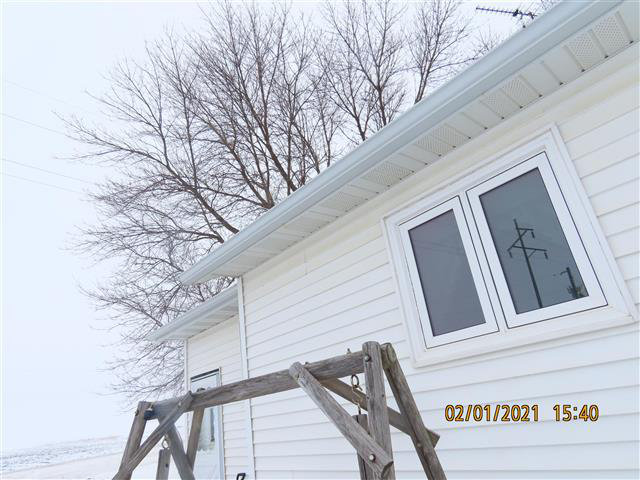
Best for: Real-world heating system load test, ice dam observation (if it's going to happen, it's happening right now), drafts and air infiltration visible through thermal imaging, hidden attic air leaks show up as frost patterns.
Harder to inspect: Roof (snow/ice hazard — drone imagery becomes critical), yard, septic, AC, pool, exterior foundation, deck surfaces, crawlspace access may be frozen.
Unique advantage: Thermal imaging is 10× more useful in winter. Heat loss patterns that are invisible in summer show up as glowing patches on a FLIR camera. Ice dam formation, air leakage, missing insulation, electrical hot spots — all easier to spot when there's a 60°F difference between inside and outside.
What if your closing timeline doesn't give you a choice?
Most real estate contracts give you a 5–10 day inspection contingency window. You inspect when you inspect. Don't let the season block you — a good inspector adapts their process to what's available.
What you can do:
- Ask the seller for records of any season-dependent systems (AC service history, sump pump records, HVAC tune-ups).
- Request thermal imaging as an add-on — it reveals problems that visual inspection can't regardless of season.
- If buying in winter, ask about ice dams at the property from past winters.
- If buying in summer, ask whether the furnace was serviced last fall and whether there's a maintenance record.
- Consider a re-inspection in the off-season after closing for anything that was season-blocked during the initial inspection.
Schedule Your Inspection
InterNACHI Master Certified. Same-day reports. 90-day buy-back guarantee.
📞 507-721-3771Related: Inspection Process • Flir Thermal Imaging • Hvac Inspection